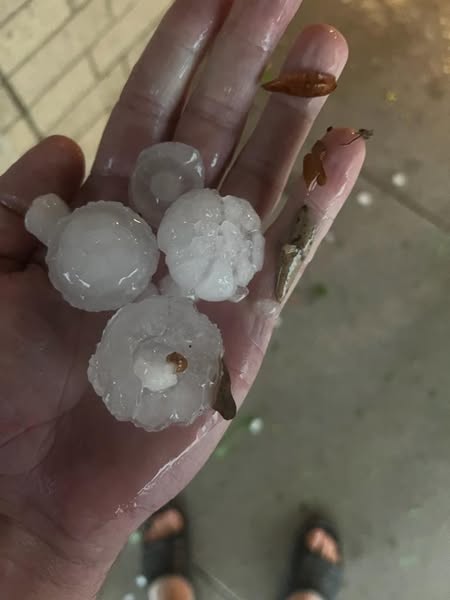
The sound of hail hitting the roof is a stressful one for any property owner. With hailstorms becoming more frequent and severe, they pose a significant threat of costly damage. Your roof is your property’s most critical line of defense, but waiting until after a storm to assess its condition often leads to emergency repairs and difficult insurance claims. Proactive hail resistant roofing protection is the key to peace of mind.
Investing in a hail resistant roof is more than a simple home improvement—it’s a strategic decision to protect your property from severe weather. This guide covers everything you need to know, from identifying the subtle signs of hail damage to choosing the best roofing material for hail.
We will explore the technology behind these durable systems, explain impact ratings, and offer practical advice on installation and maintenance to help you make a smart, long-lasting investment.
Understanding Hail Damage: Why Protection Matters
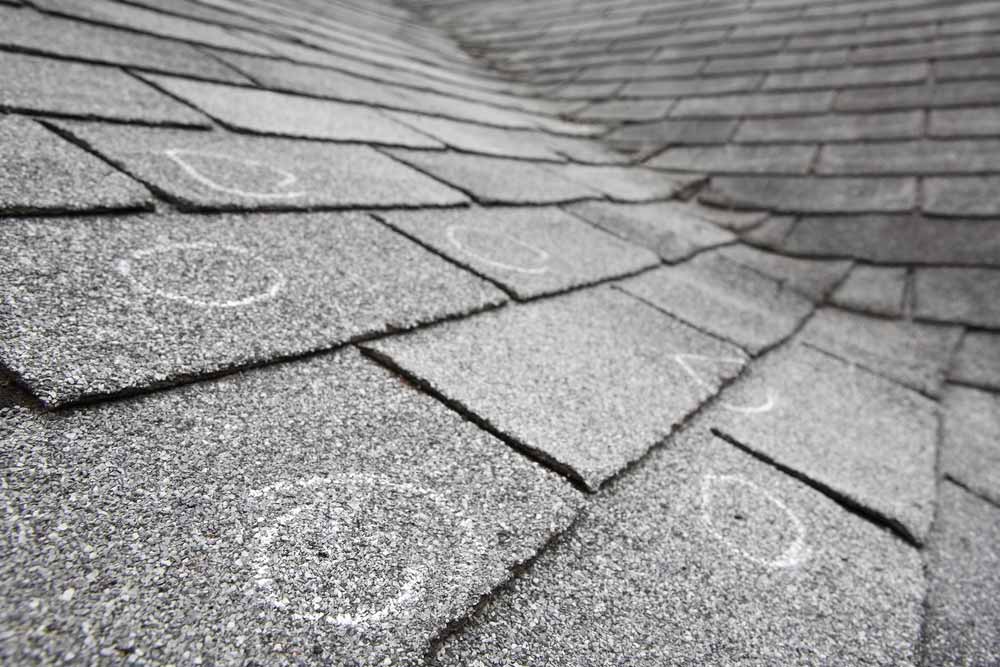
When a hailstorm strikes, the damage to your roof can be more complex than just a few obvious dents. Effective roof hail protection starts with understanding the different types of damage and their long-term consequences. For example, hail can cause “granule loss” on common asphalt shingles, stripping away the protective top layer and exposing the material underneath to UV radiation. This exposure accelerates aging and weakens the shingle. Larger hailstones can cause “bruising” or “mat fracture”—soft spots or hidden cracks in the shingle’s fiberglass mat. These fractures create entry points for water that are often invisible from the ground.
The long-term consequences of unaddressed hail damage to your roof can be severe. Even a small, invisible crack can allow water to seep into the roof decking, causing rot that compromises your roof’s structural integrity. This moisture can then spread to the attic, soaking insulation and reducing its efficiency, which leads to higher energy bills. Ultimately, water may leak into your living or work areas, resulting in stained ceilings, damaged drywall, and the growth of harmful mold and mildew. A single hailstorm can significantly shorten your roof’s lifespan, turning a 25-year roof into a 10-year liability.
The financial implications are just as serious. Filing an insurance claim is often time-consuming and stressful. Even if your policy covers a replacement, you will still have to pay a deductible, and a major claim could increase your annual premiums. To measure a roof’s durability, the industry uses impact resistance ratings. The most common standard is UL 2218, which classifies materials from Class 1 to Class 4. A Class 4 rating indicates the highest level of impact resistance, meaning the material can withstand a 2-inch steel ball dropped from 20 feet without breaking. This rating is the benchmark for true hail resistance and is often required to qualify for insurance discounts.
Top Hail-Resistant Roofing Materials and Technologies
When searching for the best roofing material for hail, you’ll find several excellent options that combine durability with aesthetic appeal. Modern roofing technology means you no longer have to choose between strength and style, as today’s market offers a range of Class 4 rated materials to suit nearly any budget and architectural design.
- Class 4 Impact-Resistant Asphalt Shingles: A popular choice for homeowners, these shingles are a significant upgrade from standard ones. Unlike regular shingles, impact-resistant (IR) versions are made with a modified asphalt formula, often including a rubberizing polymer like Styrene-Butadiene-Styrene (SBS). This blend makes the shingle more flexible, allowing it to absorb a hailstone’s impact and bounce back instead of cracking. They are a cost-effective and versatile upgrade, available in a wide variety of colors and styles.
- Metal Roofing (Steel, Aluminum, Copper): Metal is among the toughest and longest-lasting roofing materials. Systems like standing seam steel are known for their durability and sleek, modern look. For a more traditional appearance, stone-coated steel shingles offer a core of 24 or 26-gauge steel coated with ceramic-infused granules that mimic asphalt, tile, or wood shake. While noise is a common concern, proper installation over a solid deck with quality underlayment makes a metal roof no louder than other types. It is important to note that very large hail can still cause cosmetic dents, but the roof’s function is rarely compromised, making it one of the best roofing materials for hail resistance roofing.
- Synthetic Roofing Materials (Polymer, Rubber): Engineered for high performance, synthetic roofing tiles are made from advanced polymers and recycled rubber, making them incredibly tough yet surprisingly lightweight. They excel at absorbing impact and often carry a Class 4 rating. Their main advantage is aesthetic versatility, as they can be molded to perfectly replicate the look of heavy materials like natural slate or cedar shake without the associated weight, fragility, or maintenance. This makes them an ideal choice for homes needing a specific architectural style with modern performance.
- Slate and Tile Roofing: For centuries, slate and clay or concrete tile have been known for their longevity. Their natural hardness offers excellent protection against smaller hail. However, they are not invincible, as large, dense hailstones can chip or shatter them, leading to expensive repairs. Additionally, their immense weight requires a structure engineered to support the load, making them unsuitable for many properties without costly reinforcement.
In addition to these primary materials, emerging technologies like high-performance synthetic underlayments and advanced fastening systems provide another layer of roof hail protection, ensuring every component works together to withstand a storm.
Choosing the Best Hail-Resistant Roof for Your Property
Selecting the best hail resistant roof for your home or business involves more than just picking a durable material. It’s a decision that must balance your budget, local climate, aesthetics, and long-term value. While hail-resistant materials have a higher upfront cost—often 15-25% more than standard options—it’s important to view this as a long-term investment. When you factor in potential savings from fewer repairs, lower insurance deductibles, and reduced premiums, the return on investment (ROI) becomes clear over the roof’s lifespan.
Your local climate is another critical factor. If you live in a region prone to severe hail, a Class 4 rated system is a necessity, not a luxury. The UL 2218 impact resistance scale is key to understanding durability. It classifies materials based on their ability to withstand impacts from steel balls dropped from various heights:
- Class 1: Withstands a 1.25-inch steel ball dropped from 12 feet.
- Class 2: Withstands a 1.5-inch steel ball dropped from 14 feet.
- Class 3: Withstands a 1.75-inch steel ball dropped from 17 feet.
- Class 4: Withstands a 2-inch steel ball dropped from 20 feet.
For maximum protection, always choose a Class 4 rated material. Don’t forget to check manufacturer warranties, paying close attention to what they cover regarding hail. Some warranties cover functional damage (leaks) but exclude cosmetic damage (like dents on a metal roof). The best warranties will cover both.
Perhaps the most critical decision is choosing a reputable roofing contractor, as even the highest-quality material can fail if installed improperly. Look for a contractor who is licensed, fully insured (with both liability and worker’s compensation), and certified by the manufacturer of your chosen roofing system. Ask for local references and review their past projects. An experienced roofer will not only ensure a flawless installation but also help you choose materials that suit your home’s architectural style and roof pitch. Finally, before signing a contract, call your insurance agent. Many providers offer significant annual premium discounts for installing a Class 4 roof, which can help offset the initial cost and increase your long-term savings.
Installation, Maintenance, and Post-Hail Care
The quality of the installation is critical to your roofing system’s performance. A certified professional Plymouth MN Roofer will follow the manufacturer’s specifications exactly—from the nailing pattern to the correct shingle overlap. They will also ensure that crucial components like underlayment, flashing around chimneys and vents, and ice-and-water shields in valleys are installed correctly.
These details transform quality materials into an integrated, waterproof, and impact-resistant shield. Adhering to local building codes isn’t just a formality; it ensures your roof is built to handle your region’s specific weather challenges
Once your new roof is installed, proactive maintenance is key to maximizing its lifespan. This doesn’t need to be complicated; simple, regular tasks can make a significant difference. Clean your gutters and downspouts at least twice a year, in the spring and fall. Clogged gutters can cause water to back up under the shingles, leading to ice dams in winter and water intrusion. While cleaning, use binoculars to perform a visual inspection from the ground. Look for debris, loose or lifted asphalt shingles, or damaged flashing. Addressing minor issues promptly prevents them from becoming major, costly problems.
After a major hailstorm, a calm, methodical approach is best. First, prioritize safety—never climb on a wet or potentially damaged roof. Start by conducting an assessment from the ground. Look for tell-tale signs of damage, such as dented gutters, downspouts, and air conditioning units, as these often indicate roof damage. Document everything with photos and videos, noting the storm’s date and time. Before calling your insurance company, contact a trusted local roofing contractor for a professional inspection. They can provide an honest assessment of whether the damage warrants a claim, helping you avoid filing for minor issues that could raise your premiums. If a claim is necessary, their detailed report will be invaluable for navigating the process and deciding between repairs or a full replacement.
Special Considerations for Plymouth, MN Homeowners and Corporations
For residents and businesses in Plymouth, Minnesota, a hail resistant roof is not an abstract idea—it’s a practical necessity. Located in the Upper Midwest, the Twin Cities metro area is frequently in the path of severe thunderstorms that can produce large hail. Historical weather data confirms that Hennepin County experiences destructive hail events, making robust roofing a critical part of property ownership and risk management in the region.
For Plymouth homeowners, this means thinking beyond a standard builder-grade roof. When it’s time for a replacement, upgrading to a Class 4 impact-resistant system is one of the smartest investments you can make. It not only protects your home and family but also enhances your property’s resale value in a market where buyers understand the local climate. When vetting contractors, prioritize local companies with a long-standing reputation in the Twin Cities, as they will be familiar with Plymouth’s specific building codes and permit requirements. Also, be sure to ask your Minnesota-based insurance provider about discounts for impact-resistant roofing; many carriers offer substantial incentives that make the upgrade more affordable.
For corporations and commercial property owners in Plymouth, the stakes are even higher. A damaged roof on a warehouse, retail center, or office building can lead to catastrophic losses from operational downtime, ruined inventory, and damaged equipment. To ensure business continuity, the focus should be on commercial-grade, hail resistant systems like impact-modified TPO, PVC, or multi-ply modified bitumen roofing. These systems are engineered to protect large, low-slope roofs, which are especially vulnerable. Investing in a superior roof is a core part of a comprehensive risk management strategy. It is essential to work with a commercial roofing specialist who understands the complexities of large-scale projects, commercial asset warranties, and the logistics of minimizing disruption to your operations. For both homes and businesses in Plymouth, local expertise is the key to a successful, long-lasting roofing solution.
Frequently Asked Questions About Hail-Resistant Roofing
Q: Is any roof truly “hail proof”?
A: The term hail proof roof is often used, but “hail-resistant” is more accurate. No roofing material is 100% impervious to all possible weather, especially exceptionally large or dense hail. However, a Class 4 impact-resistant roof is engineered to withstand significant impacts without sustaining functional damage that leads to leaks. The goal is to protect your home’s structural integrity, even if some cosmetic damage (like dents on a metal roof) occurs during a severe storm.
Q: How much more expensive is a hail-resistant roof?
A: On average, a Class 4 impact-resistant roof costs about 15-25% more than a standard architectural shingle roof. While the upfront cost is higher, the long-term value is substantial. This initial investment can save you thousands over the roof’s lifespan by eliminating frequent repairs, avoiding multiple insurance deductibles, and potentially lowering your annual homeowner’s insurance premiums.
Q: Can I install hail-resistant roofing myself?
A: DIY installation of these specialized systems is strongly discouraged. Proper installation is critical to a roof’s performance and longevity, and manufacturers have specific requirements that, if not followed, can void the warranty. Furthermore, roofing is inherently dangerous work. A certified professional has the necessary training, safety equipment, and experience to complete the job correctly and safely.
Q: Do hail-resistant roofs look different?
A: Not at all! This is a common misconception. Impact-resistant asphalt shingles are available in the same wide range of popular colors and styles as standard shingles. Materials like stone-coated steel and synthetic polymers are specifically designed to beautifully mimic the appearance of traditional materials like wood shake, slate, or tile. You do not have to sacrifice curb appeal for protection.
Q: What kind of warranty should I look for?
A: A quality roofing system includes multiple warranties. First is the manufacturer’s warranty, which covers material defects. For hail-resistant products, look for a specific warranty covering hail damage and read the fine print about cosmetic versus functional damage. Equally important is the contractor’s workmanship warranty, which covers issues arising from the installation. A reputable contractor will offer a strong workmanship warranty of at least 5-10 years.
Investing in Peace of Mind: The Long-Term Value of Hail Resistance
In an era of unpredictable weather, choosing the best roof to prevent hail damage is a decision that provides value for years to come. It’s an investment in resilience, security, and ultimately, peace of mind. By opting for a durable, impact-resistant roofing system, you take a definitive step to shield your most valuable asset from the costly and stressful cycle of storm damage and repairs. The benefits are clear: superior protection for your property, a significant reduction in the risk of expensive repairs, and a longer, more reliable lifespan for your roof.
The potential for lower annual insurance premiums adds a direct financial incentive, making this proactive measure a smart economic choice. This is not just an expense but an upgrade that enhances your property’s durability and can even increase its market value. The security that comes from knowing your home or business is protected by the best available technology is invaluable, allowing you to face a storm with confidence instead of anxiety.
Making an informed decision is critical. It requires evaluating the best materials for your climate and property, understanding impact ratings and warranties, and selecting a skilled, reputable contractor. Don’t wait for the next storm forecast to be a source of worry. Take control today by consulting with a qualified, local roofing professional. Get a personalized assessment and explore the best hail-resistant options for your home or business to build for the future and invest in a roof that’s as resilient as you are.
2. Financial Assistance for Plymouth Residents
Many residents don’t realize there is local financial help available for major repairs like roofing:
- Plymouth HRA Home Rehabilitation Program: The Housing and Redevelopment Authority (HRA) offers zero-interest deferred loans (up to $40,000) for low-to-moderate-income residents for “health and safety” repairs, which include roof replacement.
- Emergency Repair Grants for Seniors: Plymouth residents aged 55+ may qualify for grants up to $7,500 for emergency roof repairs.
- Property Tax Relief: If a hailstorm is severe enough to be part of a declared local disaster, Hennepin County offers a Homestead Disaster Credit that can provide property tax relief for the year the damage occurred.
Minnesota Consumer Protections
- The Right to Cancel: Under MN Law, if your insurance claim is denied, you have the right to cancel a contract with a roofer within three business days of receiving the denial notice.
- No Rebates: It is illegal in Minnesota for a contractor to “pay your deductible” or offer a rebate to cover it. Any contractor offering this is asking you to participate in insurance fraud.
Quick-Access Resources for Plymouth Residents
| Resource | Purpose | Contact Information |
| City of Plymouth Building Division | Verify permit requirements and local codes. | plymouthmn.gov / 763-509-5430 |
| MN Dept. of Labor & Industry (DLI) | Use the “License Lookup” to verify a roofer’s license and enforcement history. | dli.mn.gov/license-lookup |
| MN Dept. of Commerce | Help with insurance claim disputes or “bad faith” denials. | mn.gov/commerce / 651-539-1600 |
| Gopher State One Call | Call before any repair work that involves digging (e.g., replacing pillars or landscaping after a storm). | Dial 811 |
Contractor Profile: Advanced Exteriors MN
They have been operating in the Twin Cities since 1993 and are highly specialized in “insurance restoration.” This means their workflow is specifically designed to help homeowners navigate the complexities of hail damage claims.
- Local Reputation: They maintain an A+ rating with the BBB and have positive reviews highlighting their communication and ability to work directly with insurance adjusters.
- Hail Specialization: Their service includes adjuster-ready reports with photo documentation, which is critical for getting a full roof replacement approved rather than a minor repair.
- Certifications: They are certified by major manufacturers (like GAF and CertainTeed), which is necessary to provide the extended warranties required for high-end Class 4 impact-resistant systems.
Recommended Materials for Hail Prevention:
If you are hiring them to install a “proper roof” for hail prevention, you should specifically ask for Class 4 Impact-Resistant (IR) shingles. These are engineered to withstand the 2-inch hailstones often seen in Hennepin County.
- Hail Damage Roof Repair Services for Plymouth, MN Homeowners
- Understanding Hail Damage to Your Roof: A Comprehensive Guide
- Building Resilience: Your Comprehensive Guide to Hail-Resistant Roofing Options
- Storm Damage Repair: “Hail Damage in MN: What to Check First (and How the Insurance Process Usually Works)
- Hail Damage Roof Replacement in Plymouth MN: How to Spot Storm Damage Before It’s Too Late