The unmistakable sound of hail hitting your roof can be unsettling for any homeowner. While a light shower of pea-sized ice might be harmless, larger hailstones driven by strong winds can inflict serious harm. The most deceptive aspect of hail damage to your roof issues is that they are often hidden from plain sight. What appears to be a minor cosmetic issue can quietly compromise your roof’s integrity, leading to leaks, rot, and significant structural problems down the line. Ignoring the potential for damage after a storm is a gamble with your home’s most important protective barrier.
This guide is designed to empower you with the knowledge to identify, assess, and properly address hail damage. We’ll walk you through what to look for, the immediate steps to take after a storm, and how to navigate the process of repairs and insurance claims. Timely and informed action is crucial not only to prevent further deterioration of your property but also to ensure you receive the full coverage you’re entitled to from your insurance policy.

What is Hail Damage and How Does It Affect Your Roof?
At its core, hail damage to shingles is a form of blunt force trauma. When solid ice stones, sometimes traveling at speeds over 70 mph, impact your roof, they transfer a significant amount of kinetic energy. This impact doesn’t just bounce off; it physically alters the roofing material. For the vast majority of homes with asphalt shingles, this process is particularly damaging. The primary function of an asphalt shingle is to shield the underlying structure from water and UV radiation, a job performed by a dense top layer of ceramic-coated granules.
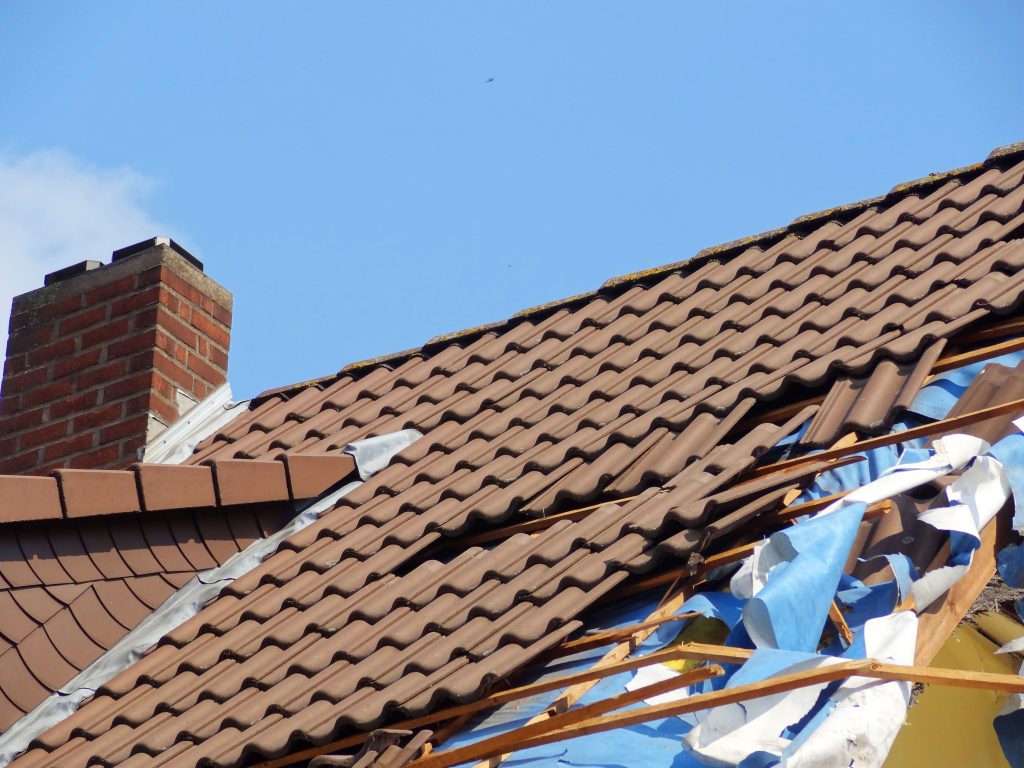
The mechanics of the damage are straightforward but destructive. Each of the hail hits on shingles acts like a small hammer blow, knocking these protective granules loose. This creates a “bruise” or a soft spot on the shingle. You might not see a hole, but the shingle’s structural integrity is now compromised. The exposed asphalt mat is vulnerable to the sun’s UV rays, which cause it to dry out, become brittle, and crack much faster than the surrounding, protected areas. This accelerated aging is the real danger of hail damage to asphalt roof shingles. While other materials are also affected—metal roofs can get severely dented, and tile or slate can crack and shatter—the subtle, progressive damage to asphalt shingles is often the most overlooked.
Several factors determine the severity of the damage from hail on roof surfaces:
- Hail Size and Density: The difference between quarter-sized and golf-ball-sized hail is exponential. Larger, denser stones carry much more force.
- Wind Speed and Direction: High winds can drive hail sideways, increasing its impact velocity and causing more significant granule loss and fracturing. This is why you often see combined hail and wind damage to roof structures.
- Age and Condition of Roof: An older, sun-baked roof is more brittle and will sustain far more damage from the same size hail than a new, flexible roof.
- Roofing Material: Standard 3-tab shingles are more susceptible than thicker, more robust options like hail damage on architectural shingles, which can better absorb impacts.
It’s vital to understand that a roof with hail damage may not leak for months or even years. The damage is a slow-acting poison that weakens your home’s defenses over time, making a professional inspection after a significant storm an absolute necessity.
Key Signs of Hail Damage to your Roof: What to Look For
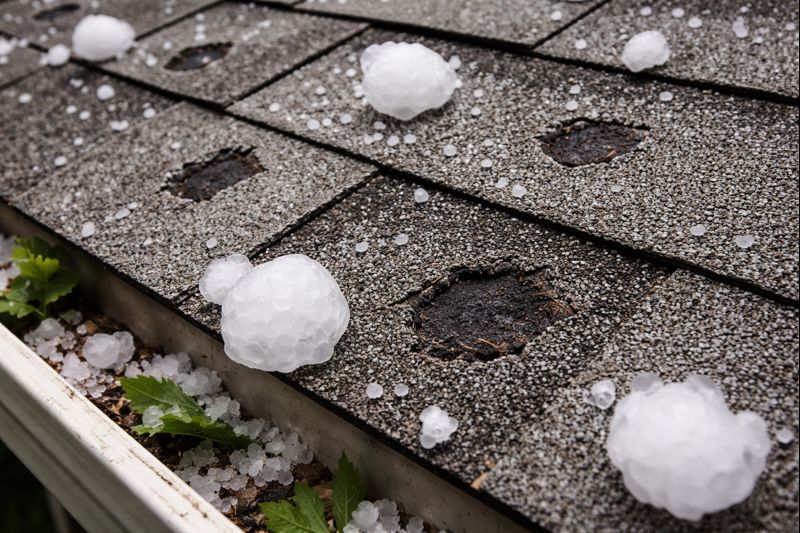
After a hailstorm passes, it’s natural to wonder if your home was affected. A thorough inspection is the only way to know for sure, but you need to know the specific signs of hail damage to roof structures. While we strongly recommend hiring a professional for a safe and accurate assessment on the roof itself, a careful ground-level inspection can give you plenty of evidence. Remember, safety is paramount; never climb a steep, wet, or high roof without proper safety equipment and experience.
Here are the key signs of hail damage on shingles and other property components:
- Granule Loss: This is the most common sign of hail damage to asphalt shingles. Look for accumulations of black, sand-like granules in your gutters, at the base of your downspouts, or on your driveway. On the roof itself, this appears as “bald” spots or areas where the shingle’s color looks darker or inconsistent.
- Bruising or Soft Spots: These are the actual hail marks on roof shingles. They look like dark, circular depressions and will feel soft or spongy to the touch, much like a bruised piece of fruit. The shingle mat beneath the surface is fractured, even if the top isn’t broken.
- Cracks and Fractures: On more brittle or heavily impacted shingles, you may see visible cracks radiating out from a central point of impact, often in a “spiderweb” or “starburst” pattern. This is a severe sign of damage.
- Exposed Felt or Matting: In the most extreme cases, the hail will have completely shattered the shingle’s surface, exposing the underlying black asphalt or fiberglass mat. These areas are highly vulnerable to immediate leaks.
Don’t just look at the roof. Damage to surrounding items can corroborate your claim and prove the storm’s severity:
- Gutters and Downspouts: Check for dents, dings, and pockmarks on aluminum gutters, downspouts, and gutter screens. These are often the easiest signs to spot from the ground.
- Roof Vents and Flashing: Soft metal components like turbine vents, vent caps, and chimney flashing will show dents clearly.
- Siding, Windows, and AC Units: Look for cracks or chips in vinyl siding, dents in window frames or screens, and dented fins on your air conditioner condenser unit.
It’s also important to distinguish new damage from old hail damage on roof surfaces. New impacts will have a shiny, black appearance where the asphalt is freshly exposed. Old damage will be dull, gray, and weathered as the exposed asphalt has had time to oxidize.
After the Hailstorm: Steps to Take for Your Damaged Roof
The moments after a severe hail storm roof event can feel overwhelming, but a clear, methodical approach will protect your home and streamline the recovery process. Taking the right steps immediately can make all the difference in preventing further damage and ensuring a successful insurance claim for hail storm damage to roof structures. Your priority list should balance safety, documentation, and professional consultation.
First and foremost, prioritize your safety. Do not climb onto your roof, especially if it is wet, windy, or you are inexperienced. A fall can have life-altering consequences. Instead, conduct your initial visual inspection from the ground using binoculars. Walk the perimeter of your home, looking for the obvious signs of damage on gutters, siding, and any visible low-slope roof sections.
Next, document the damage meticulously. This is arguably the most critical step you can take. Use your smartphone to take numerous clear photos and videos of everything you find. Capture wide shots of each roof slope and then zoom in on specific hail hits on roof shingles, dents in gutters, and damaged AC units. For close-up shots, place a coin or ruler next to the impact mark to provide a sense of scale. Note the date and time the storm occurred. This portfolio of evidence will be invaluable when you file your claim.
With documentation in hand, your next call should be to a qualified, local roofing professional. Avoid the “storm chasers”—out-of-town companies that flock to disaster areas, perform shoddy work, and disappear. A reputable local contractor has a vested interest in maintaining their community reputation. They can perform a safe, thorough inspection and provide an expert assessment distinguishing between hail and wind damage to roof components, as these are often covered differently. Their detailed report serves as a powerful tool when dealing with your insurance company.
Finally, initiate your insurance claim. Contact your home insurance provider and inform them of the date of loss and the suspected damage. Having your policy number ready will speed up the process. Let them know you have already had a professional inspection. Your contractor can often meet with the insurance adjuster on-site to review the damage together, ensuring nothing is missed and advocating on your behalf for a fair assessment.
Repairing vs. Replacing: Addressing Hail Damage on Shingle Roofs
Once shingle roof hail damage has been confirmed, the next major decision is whether to repair the affected areas or opt for a full roof replacement. This isn’t always a straightforward choice and depends on a careful evaluation of several key factors. The right decision will not only restore your home’s protection but also ensure you get the best value from your insurance settlement and long-term investment.
The primary factors influencing this decision include:
- Extent and Severity: This is the most significant consideration. If you only have a handful of shingles with hail damage scattered across a single slope, a targeted repair might be feasible. However, insurance companies often use a standard of 8-10 or more confirmed hail hits within a 10×10 foot “test square” to deem a slope a total loss. Widespread, systemic damage across multiple slopes almost always necessitates a full replacement.
- Age of the Roof: If your roof is already 15-20 years old and nearing the end of its expected lifespan, putting money into repairs is often a poor investment. A full replacement covered by insurance is a far better long-term solution.
- Local Building Codes: Some municipalities have regulations that mandate a full replacement if a certain percentage (e.g., 25%) of the roof is damaged. A knowledgeable local contractor will be aware of these codes.
- Insurance Assessment: Ultimately, your insurance company’s assessment will heavily guide the outcome. If their adjuster agrees the hail damage in roof is extensive, they will typically cover a replacement according to your policy terms.
Spot repairs are best suited for newer roofs with very isolated damage. The main challenge here is finding shingles that perfectly match the existing ones in color and style, which can be difficult for older roofs or discontinued product lines, especially with the unique patterns of hail damage on architectural shingles. A mismatched patch can be an eyesore and may not weather at the same rate as the rest of the roof.
A full roof replacement is often the recommended course of action for significant damage. While it’s a larger project, it offers complete peace of mind, restores your roof to 100% integrity, and can even increase your home’s curb appeal and resale value. When choosing a contractor for this job, be sure to get at least three written quotes, verify their license and insurance, and ask for local references you can contact.
Preventing Future Hail Damage and Navigating Insurance Claims
While you can’t control the weather, you can take proactive steps to mitigate future hail and roof damage and better prepare yourself for the insurance process. Thinking ahead transforms you from a reactive victim of a storm into a prepared homeowner. Investing in durability and understanding your coverage are the two pillars of a sound long-term strategy for dealing with roof hail.
One of the most effective preventative measures is to consider hail-resistant roofing materials during your next replacement. The industry standard for durability is Class 4 impact-resistant shingles. These products are specially engineered with a more flexible asphalt base and a reinforced sub-layer, allowing them to withstand significant impacts without fracturing or losing granules. They are rigorously tested by dropping a 2-inch steel ball from 20 feet without sustaining damage. While they come at a premium cost, many insurance companies offer substantial discounts on homeowner’s premiums for installing a Class 4 roof, which can help offset the initial investment over time.
Beyond material choice, regular roof maintenance plays a crucial role. A roof that is already in good condition is inherently less vulnerable. Conduct or hire a professional for annual inspections to identify and address minor issues like loose flashing, cracked sealant, or missing shingles. A strong, well-maintained roof is better equipped to handle the stress of a hailstorm. Promptly repairing small problems prevents them from becoming major weaknesses that hail can easily exploit.
Finally, become an expert on your own home insurance for hail. Don’t wait for a storm to read your policy. Review it annually and pay close attention to these key areas:
- Deductible: Know whether you have a standard flat-rate deductible or a percentage-based deductible for wind and hail, which can be significantly higher.
- Coverage Type: Understand the critical difference between Replacement Cost Value (RCV) and Actual Cash Value (ACV). RCV coverage pays for the full cost of replacing your roof with new materials. ACV only pays for the depreciated value of your old roof, leaving you to cover the difference out-of-pocket. Always advocate for RCV coverage if it’s available.
By investing in a durable roof, maintaining it diligently, and understanding your insurance safety net, you can face future storms with confidence, knowing your home is well-protected.
Advanced Exteriors MN Proudly Serving Plymouth Homeowners
Advanced Exteriors Inc. is a trusted exterior remodeling company serving Plymouth, Minnesota and the surrounding Twin Cities suburbs. With decades of experience improving and protecting homes, our team focuses on delivering durable exterior solutions designed for the unique weather conditions that Plymouth homeowners face year after year.
From harsh winter snow loads to summer hailstorms and high winds, we provide exterior systems built to stand up to Minnesota’s toughest climate.
Plymouth Exterior Remodeling Built for Long-Term Protection
Advanced Exteriors is more than a contractor — we are a long-term exterior partner for homeowners in Plymouth looking to upgrade and protect their property.
Our Plymouth-focused services include:
- Residential roof replacement and reroofing
- Storm damage inspections and restoration
- Siding replacement for improved curb appeal
- Energy-efficient window upgrades
- Attic insulation improvements for better performance
Each project is tailored to the needs of Plymouth neighborhoods, housing styles, and seasonal conditions.
Storm Restoration Experts in Plymouth, MN
Plymouth residents know that severe weather can strike quickly. Advanced Exteriors provides fast, professional assistance when hail or wind damage impacts your roof or siding.
We help homeowners with:
- Detailed exterior inspections
- Honest recommendations and repair options
- Support through the insurance claim process
- Full replacement services when needed
Our goal is to restore your home quickly while ensuring lasting protection.
Why Plymouth Homeowners Choose Advanced Exteriors
Homeowners throughout Plymouth continue to choose Advanced Exteriors because we deliver:
- Quality craftsmanship and premium materials
- Responsive communication and clear estimates
- Experienced crews with local knowledge
- Exterior upgrades that improve value and curb appeal
We take pride in helping Plymouth families feel confident in the safety and durability of their homes.
Local Experience Across the Twin Cities Metro
As a Minnesota-based company established in 1993, Advanced Exteriors has completed hundreds of exterior remodeling projects throughout the Plymouth area. We understand the construction standards, permitting needs, and weather challenges specific to this community.
Whether you need roofing, siding, windows, or storm repair, our team is ready to help.
Schedule a Plymouth Exterior Consultation
If you are a homeowner in Plymouth, MN and are considering an exterior upgrade or need storm-related repairs, Advanced Exteriors Inc. is here to provide expert guidance and professional installation.
📞 Contact us today to schedule your Plymouth exterior remodeling consultation.
Fast Response Roofing When Your Home Needs Immediate Protection
Roof problems don’t always happen at a convenient time. Severe storms, falling debris, sudden leaks, or wind damage can leave your home exposed and vulnerable within minutes. When that happens, emergency roof services are critical to prevent further interior damage and protect your property.
At Advanced Exteriors Inc., we provide prompt emergency roofing support for homeowners in Plymouth, MN and surrounding areas.
When to Call for Emergency Roof Repair
Not every roofing issue can wait for a scheduled appointment. You should contact an emergency roofing contractor right away if you experience:
- Active roof leaks during heavy rain or melting snow
- Missing shingles after a windstorm
- Hail damage causing exposed roof areas
- Tree limbs or debris impacting the roof structure
- Interior ceiling stains or water intrusion
- Roof sagging or visible structural concerns
Quick action can often reduce the extent of damage and lower repair costs.
Immediate Solutions to Prevent Further Damage
Emergency roof services are designed to stabilize your home quickly. Our team may provide temporary or urgent measures such as:
- Emergency tarping and roof covering
- Leak containment and moisture protection
- Damage inspections and documentation
- Short-term repairs until full restoration is completed
The goal is to stop water infiltration and secure the roofing system as soon as possible.