Advanced Exteriors MN
Identify Storm Damage Before It’s Too Late
When a summer thunderstorm rolls across Plymouth, MN, hail can go from a distant rattle to a roof-pounding barrage in minutes. Even “small” stones can bruise shingles, compromise protective granules, and start the clock on leaks that might not show up for months. In this guide, you’ll learn how to spot hail damage early, what to check indoors and out, how Minnesota law protects you after a storm, and why choosing the right contractor and materials matters.
If your home was in the path of a recent storm—or you’re just not sure—call Advanced Exteriors at (763) 537-5117 for a professional Hail Damage Roof Replacement inspection and fast, code-compliant repairs or roof replacement.
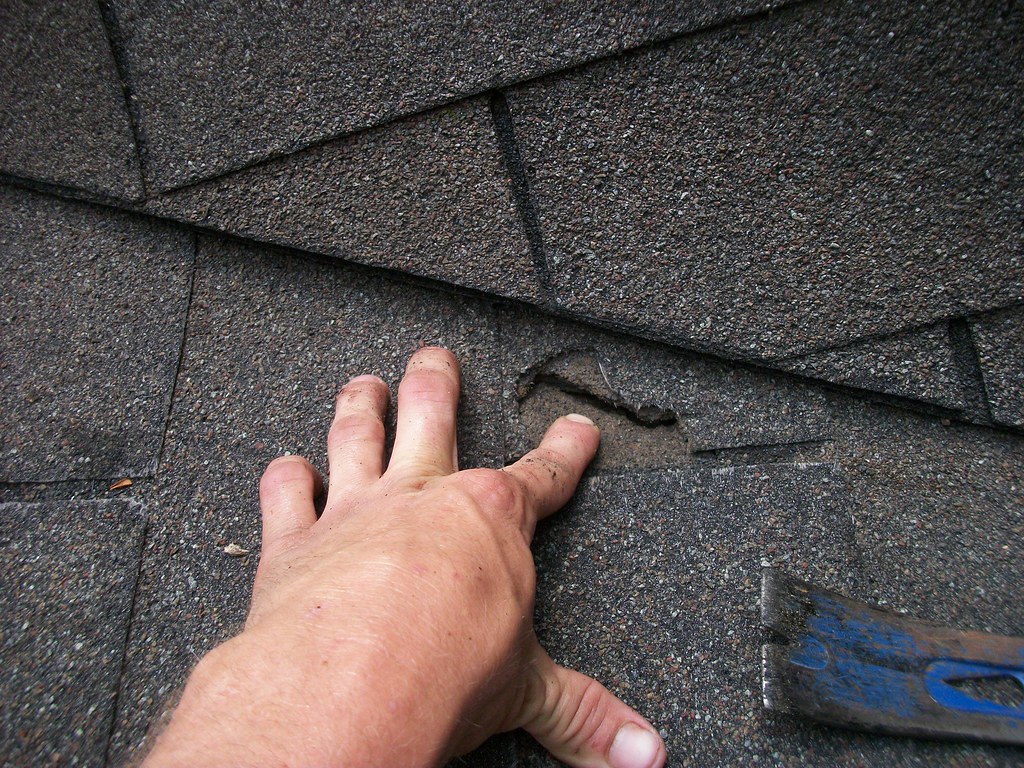
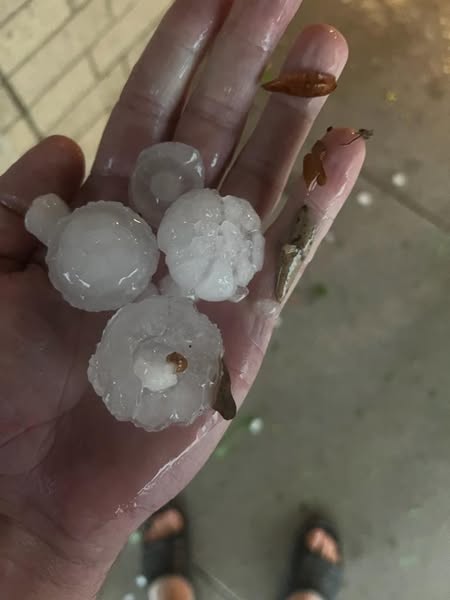
How hail actually damages a roof
Minnesota sits squarely in one of the nation’s most active severe-storm corridors. In the Twin Cities area, hailstorms are common, with trained spotters and radar detecting multiple events around Minneapolis–St. Paul most years. Severe weather records from NOAA and the Minnesota DNR show that severe convective storms are a leading source of billion-dollar losses statewide, and the north-metro June 11, 2017 hail/wind event remains one of the most damaging in Minnesota history.
“But the hail didn’t look that big…”
Size is only part of the story, but it matters. The National Weather Service considers quarter-size (1.00″) hail “severe.” As stones get larger—ping-pong ball (1.50″), golf ball (1.75″), baseball (2.75″)—impact energy rises fast and the odds of shingle bruising, cracks, and granule loss jump. The NWS and NOAA publish size charts and hail basics to help you translate what you saw into measured diameters.
Hailstones strike shingles at speed, pressing or cutting into the surface. Two critical effects follow:
- Granule loss – The protective ceramic granules on asphalt shingles get knocked away, exposing the asphalt to UV and accelerating aging. This can look like dark, circular “pock marks” or thin trails where granules shed into gutters and downspouts.
- Bruising and mat fracture – A soft spot (bruise) under the impact can indicate damage to the fiberglass mat. Over time, bruises can turn into cracks, tears, or leaks as the shingle flexes with heat/cold cycles and wind.
Important nuance: Not everything that’s round and scuffed is hail. Foot traffic, blistering, manufacturing marks, or wind-driven debris can mimic hail impacts. Industry engineers (e.g., Haag) stress careful differentiation and tactile inspection (feeling for soft bruises) before drawing conclusions.
A Plymouth homeowner’s walk-around checklist (no ladder required)
You don’t need to climb on a roof to catch early warning signs. After any hailstorm, do a slow, methodical walk-around:
- Gutters & downspouts
- Look for fresh granules in downspouts and at splash blocks—heavy shed right after a storm is a red flag.
- Check for dents on aluminum downspouts and gutter aprons, especially the top edges that face the hail path.
- Soft metals
- Inspect metal roof vents, furnace caps, and flashing. Dings in thin metal are often easier to spot than shingle bruises and point to likely shingle impacts on the same slope.
- Siding, fascia, and window trim
- Hail that’s big enough to damage shingles can also chip paint, dent aluminum, or crack vinyl.
- Decks and hardscapes
- Look for fresh chips in stain, splintering, or pitting in wood and composite materials near the windward side.
- Skylights and solar tubes
- Check for cracked lenses, fractured seals, or new fogging/condensation.
- Inside the home
- In the attic, use a flashlight to look for dark rings, wet sheathing, or daylight at nail penetrations.
- On ceilings, watch for freshwater spots or “mystery” paint bubbling weeks after the storm; hail damage is often delayed-leak damage.
If you see several of these clues—or you’re unsure—book a professional inspection. A trained inspector will walk the roof safely, feel for bruising, examine shingle mats, and document slopes/squares for an insurance claim if warranted.
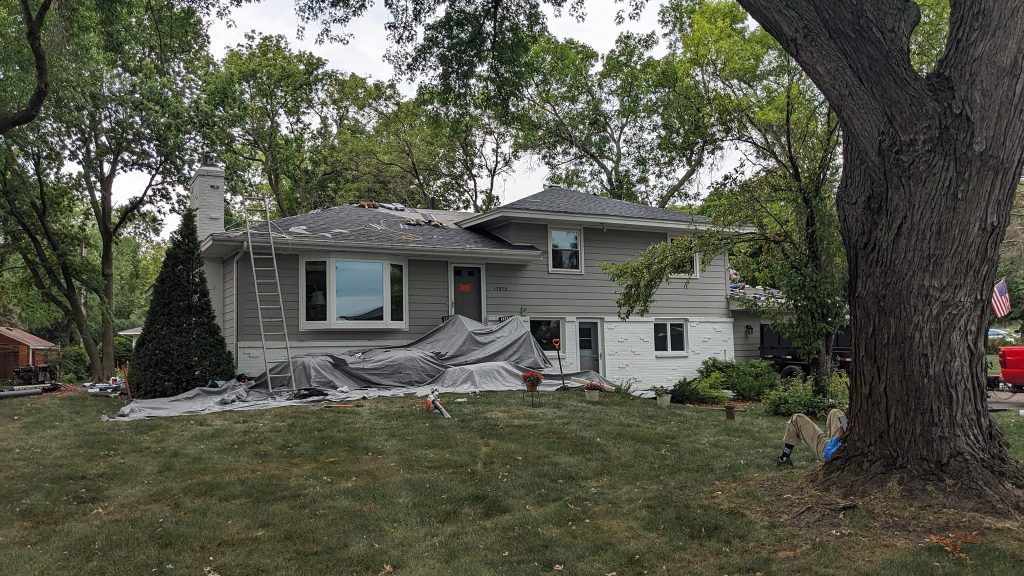
What hail damage looks like on asphalt shingles
Here are the common patterns pros look for, and what they mean:
- Circular impact zones with granule loss
Often coin-sized to quarter-sized. Fresh impacts show sharp edges; older impacts weather to smoother, darker circles as asphalt oxidizes. (Latent damage may not leak immediately.)
- Soft “bruises” you can feel
Press gently with a thumb; a bruise may feel spongy. This suggests internal mat damage that can propagate into cracks.
- Cracked or split shingles
Larger hail or hail driven by strong winds can split a tab or create crescent-shaped cracks, especially along edges and high-stress areas.
- Exposed fiberglass mat
Severe impacts can eject granules and asphalt, revealing the shingle’s white/black mat. That’s immediate, functional damage.
- “Not hail” impersonators
Scuffs from people walking, unsealed tabs fluttering in wind, thermal blister-pops, or manufacturing anomalies can look suspicious but have different textures/locations. A good inspector documents why marks are (or are not) storm related.
Timing matters: hail today, leak next season
One of the trickiest parts about hail: it often creates long-fuse problems. Even when you don’t see a drip, bruised shingles can lose granules faster, bake in the sun, and become brittle. Months later—sometimes after a freeze-thaw cycle—minor impact spots become real entry points. Manufacturers acknowledge that hail damage may not be immediately obvious, which is why post-storm inspections are prudent.
Minnesota homeowner protections after a storm
Storms can bring good roofers—and opportunists. Minnesota has strong consumer protections you should know:
- Deductible “helping” is illegal. Contractors cannot advertise or promise to pay, rebate, or “eat” your insurance deductible as an inducement. Minnesota Statutes § 325E.66 explicitly prohibits this and allows enforcement by state agencies. If a company offers to “cover your deductible,” that’s a red flag.
- 3-day right to cancel (home solicitation sales). If you signed a contract at your home (e.g., a door-to-door canvasser), Minnesota’s Home Solicitation Sales Act requires the seller to provide written notice of your right to cancel until midnight of the third business day after the sale. If proper notice wasn’t given, your right to cancel can extend.
- Get it in writing & verify licenses. The Minnesota Department of Commerce urges homeowners to review policy coverages and vet contractors carefully after storms. Licensed, local, and insured contractors should provide detailed scopes, material specs, and warranty terms.
Do you need a permit in Plymouth?
The City of Plymouth enforces the Minnesota State Building Code and requires permits and inspections for residential building work (including roofing). The city offers online permitting for certain residential projects and can confirm what your specific job needs. A reputable contractor will pull the proper permit and pass required inspections.
Insurance 101 after hail: a simple playbook
- Document the scene
- Take date-stamped photos of all exterior elevations, yard, and any interior spots that look suspicious.
- Request a professional roof inspection
- A qualified inspector will assess each slope, check soft metals, and note impact frequency/size. If warranted, proceed to the claim.
- File your claim promptly
- Carriers often set time windows for reporting storm damage.
- Meet the adjuster
- Have your contractor present. They can reference industry standards for hail damage identification and discuss code upgrades, ice-and-water shield, ventilation, and underlayment specifics.
- Compare scope—not just price
- Make sure line items match local code and manufacturer requirements (starter, drip edge, ridge/hip, underlayment type, flashing, ventilation upgrades, disposal, permits, and final inspections).
- Choose materials strategically
- Impact-resistant (IR) shingles tested to UL 2218 Class 4 can improve resilience against hail; the test uses steel balls to simulate hail impacts. Newer evaluations from IBHS and UL also look beyond simple punctures to consider denting and granule loss performance—features that matter in real storms. Some insurers may offer premium credits for Class 4 roofs; ask your agent.
Impact-resistant shingles and accessories: what actually helps
Upgrading during replacement pays dividends in hail country:
- UL 2218 Class 4 shingles – Highest lab impact rating under the steel-ball standard. Look for documented performance from trusted brands and third-party verification.
- High-quality underlayment & ice/water barrier – Adds redundancy at eaves, valleys, penetrations. FEMA notes mitigation funds sometimes support more robust membranes when replacing storm-damaged roofs, underscoring the value of better layers.
- Proper ventilation and balanced intake/exhaust – Reduces heat cycling (brittleness over time) and can help shingle systems last longer.
- Code-correct flashing & metalwork – Fresh flashing at walls, chimneys, and skylights prevents mixing old, fatigued metal with new shingles (a common leak source).
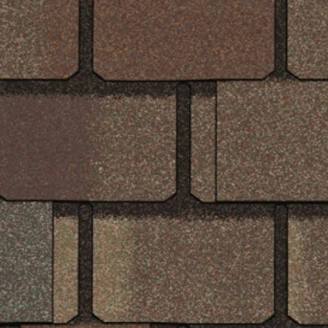
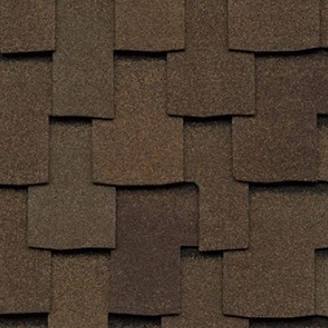
Sample Hail-Resistant Singles in Plymouth MN

Common myths Plymouth homeowners hear after hail (and what’s true)
- Myth: “If it’s not leaking today, you’re fine.”
Truth: Latent hail damage often shows up later as accelerated aging, cracks, and leaks—especially after a winter. Early inspections can document condition and protect your claim timeline.
- Myth: “Round scuffs = guaranteed hail damage.”
Truth: Not necessarily. Pros distinguish hail from wear, blistering, or foot scuffs by texture, location, and the presence of bruising/mat fracture. That’s why a hands-on inspection matters.
- Myth: “A contractor can cover your deductible—it’s a win-win.”
Truth: In Minnesota, that’s unlawful. Don’t put your claim or policy at risk.
When roof repair isn’t enough: signs it’s time for replacement
- Widespread bruising or mat fractures across multiple slopes
- Numerous tabs with cracked edges or missing pieces
- Consistent granule loss in impact fields with exposed mat
- Adjuster or engineer findings that damage is “functional” (not just cosmetic) and widespread
At that point, piecemeal patching won’t restore service life. Replacement—done once, done right—is the smarter, more durable fix.
Why choose a local, code-savvy contractor in Plymouth
Beyond workmanship, local knowledge is huge:
- Permits/inspections: Plymouth’s process is straightforward when you work with someone who does it every week.
- Product sourcing: Impact-resistant shingles, proper underlayments, and ventilation components in stock.
- Storm documentation: Familiarity with adjuster expectations, photo grids, test square methodology, and code upgrade lines.
- Warranty handling: Local companies are here when you need them—not just until the canvassing vans leave town.
Also be cautious with high-pressure “storm chaser” tactics that sometimes follow large events in the Twin Cities region. Minnesota media and industry groups have warned about aggressive sales practices and shoddy work from transient outfits; use the state’s hiring tips and your cancellation rights if you feel rushed.
Quick DIY safety tips right after a hailstorm
- Stay off the roof. Impacts can loosen granules and make surfaces slippery.
- Photograph everything at ground level. Cars, patio furniture, gutters—these help establish hail size and direction.
- Bag loose shingles or debris. Save samples if any date and label them.
- Call your roofer and your agent. Get professional eyes on the roof and clarity on claim steps.
Frequently asked questions (Plymouth edition)
How big does hail need to be to damage shingles?
It depends on shingle age, quality, and wind speed. Quarter-size hail (1.00″) is the “severe” threshold; larger stones dramatically increase impact energy. Even smaller stones can accelerate aging on older roofs.
Will Class 4 (UL 2218) shingles stop hail damage entirely?
No roof is “hail-proof,” but Class 4 products are engineered to perform better under impact and may keep a repair from becoming a full replacement. Check with your insurer about any premium credits.
Can a contractor waive my deductible?
Not in Minnesota. It’s illegal for contractors to offer or advertise to pay your deductible as an inducement.
Do I need a permit in Plymouth for a reroof?
Roofing work typically requires permits and inspections under the Minnesota State Building Code, administered by the City of Plymouth. A reputable contractor will handle this for you.
Your next step: get peace of mind now, not next spring
Hail damage rarely gets better with time. Whether you just rode out a storm or you’ve noticed granules in the gutters and a mystery ceiling spot, a professional inspection will tell you what you’re facing and whether an insurance claim makes sense.
Call Advanced Exteriors at (763) 537-5117 for a no-nonsense assessment in Plymouth and the west metro. We’ll:
- Inspect every slope and soft metal for impact patterns
- Document findings for your records and insurer
- Pull permits and meet local codes
- Recommend the right system upgrades (including IR shingles)
- Replace your roof with clean, efficient crews and attentive project management
Protect your home before minor hail damage turns into major repairs. One call—(763) 537-5117—gets you expert eyes on your roof and a clear plan forward.
- What Minnesota Homeowners Need to Know After a Hailstorm — According to a Local Roofing Expert
- Hail Damage Roof Repair Services for Plymouth, MN Homeowners
- Understanding Hail Damage to Your Roof: A Comprehensive Guide
- Building Resilience: Your Comprehensive Guide to Hail-Resistant Roofing Options
- Storm Damage Repair: “Hail Damage in MN: What to Check First (and How the Insurance Process Usually Works)